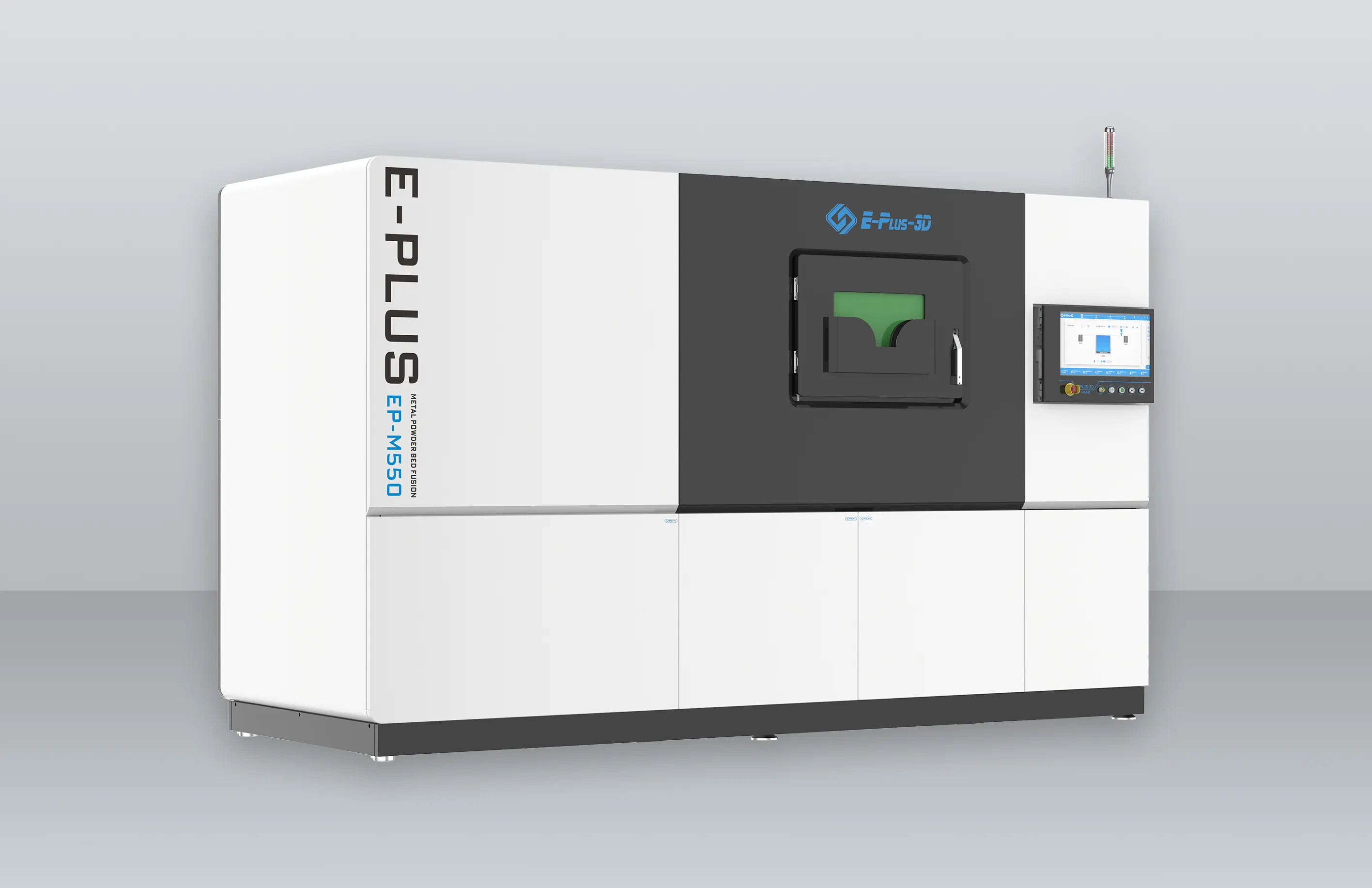
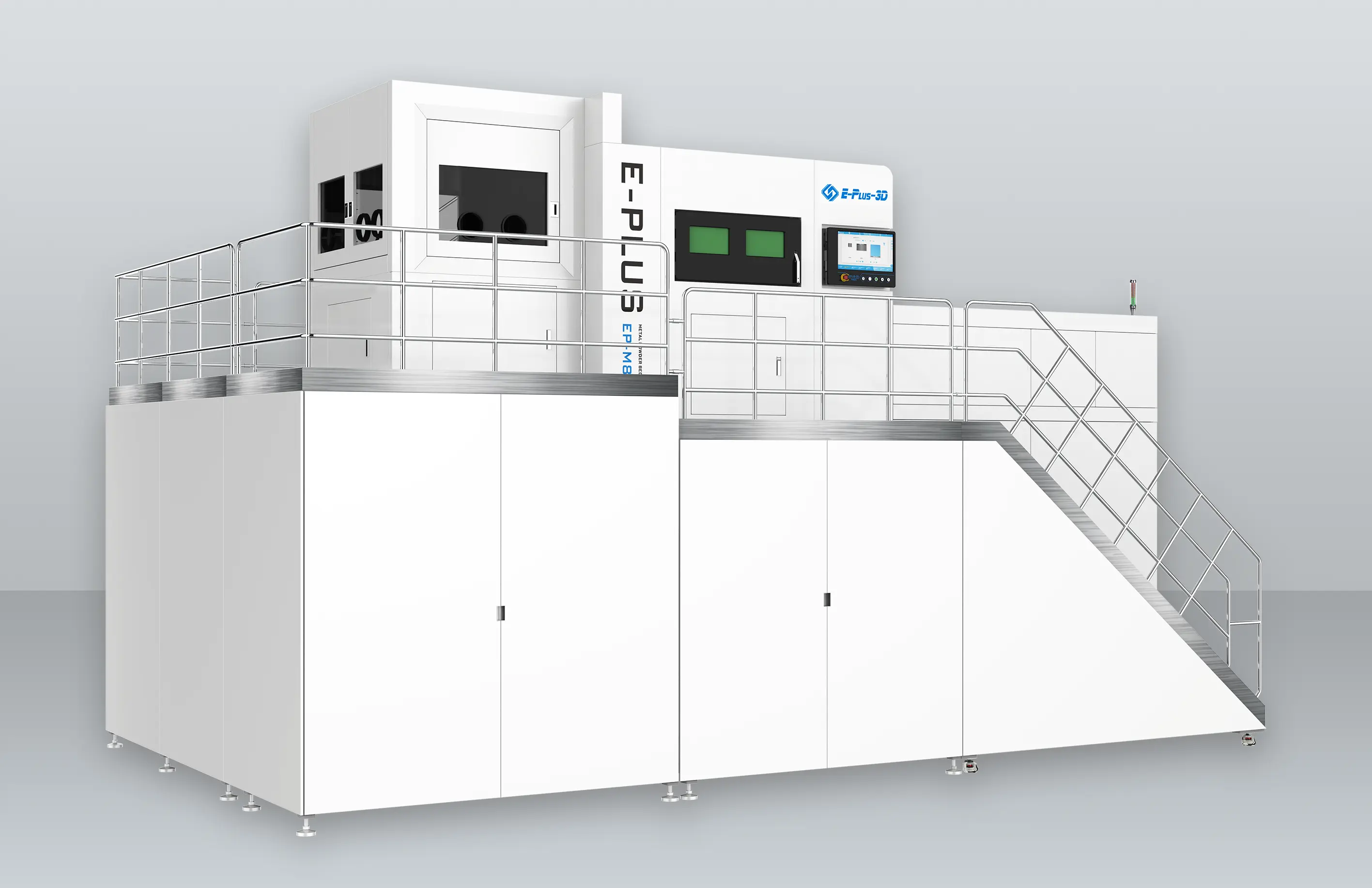
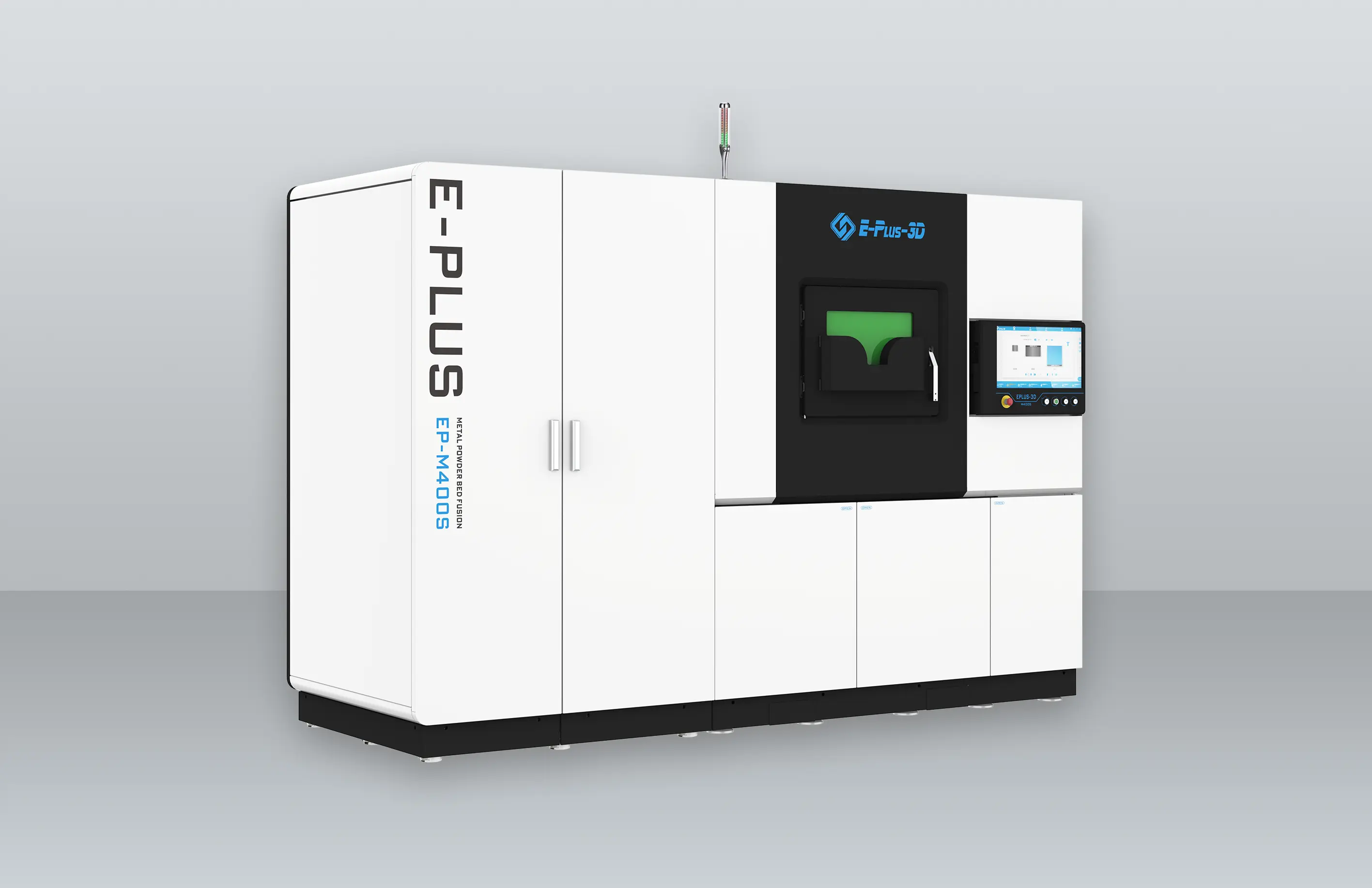
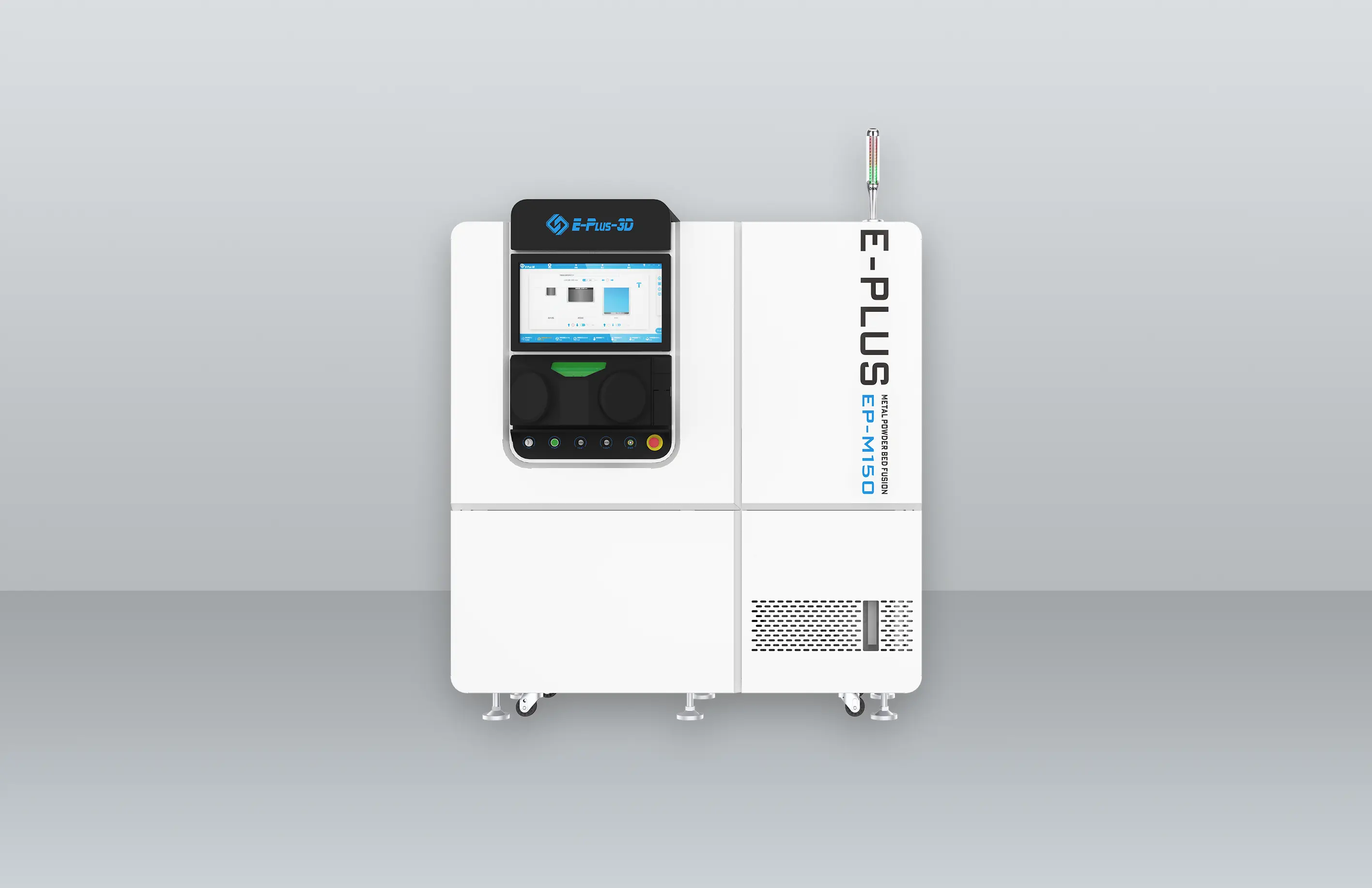
Eplus3D, a leading global provider of metal additive manufacturing (AM) solutions, has supported Hankook Precision Works in implementing metal additive manufacturing for tire sipes production.
As tire manufacturers continue to demand higher performance and more complex tread designs, tire mold manufacturing is increasingly relying on advanced production technologies. Hankook Precision Works, a specialized manufacturer serving the tire industry, focuses on high-precision mold components. Through this collaboration, the company has transitioned from initial evaluation to stable, repeatable production across facilities.
.png "lQDPJwUHsWxuzWXNC9DND8Cw5nqC1UEFL8IJol0oMv1mAA_4032_3024(1).png")
Figure 1 - Two EP-M300 machines in Hankook’s facility
Why Metal Additive Manufacturing for Tire Sipes
Compared with conventional manufacturing methods, metal additive manufacturing enables the production of complex mold features that are difficult or impractical to achieve through traditional processes. This is particularly relevant in tire sipes applications, where fine feature resolution, surface quality, and consistency across production volumes are critical.
Metal additive manufacturing has already been adopted in tire sipes production by leading global manufacturers, reflecting its growing value in this application. Tire sipes components often require sub-millimeter features, controlled surface conditions, and increasingly complex geometries, all of which place limitations on conventional manufacturing approaches.
By enabling greater design freedom and integrated forming of complex structures, metal additive manufacturing provides a practical route to improved mold functionality and more flexible production. At the same time, for industrial use, the challenge is no longer only whether such parts can be printed, but whether they can be produced with stable quality, repeatability, and production efficiency.
From Evaluation to Production Deployment
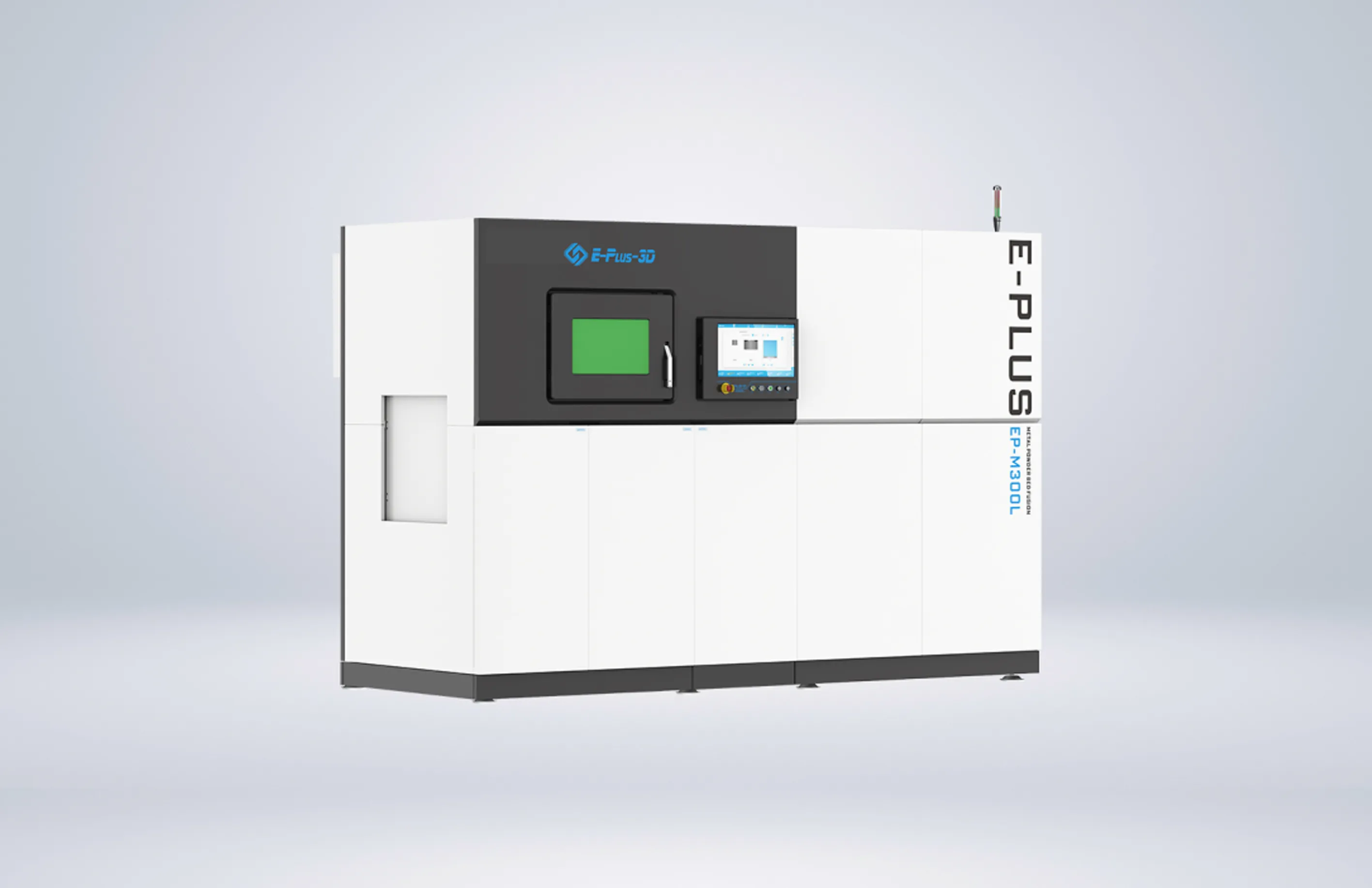
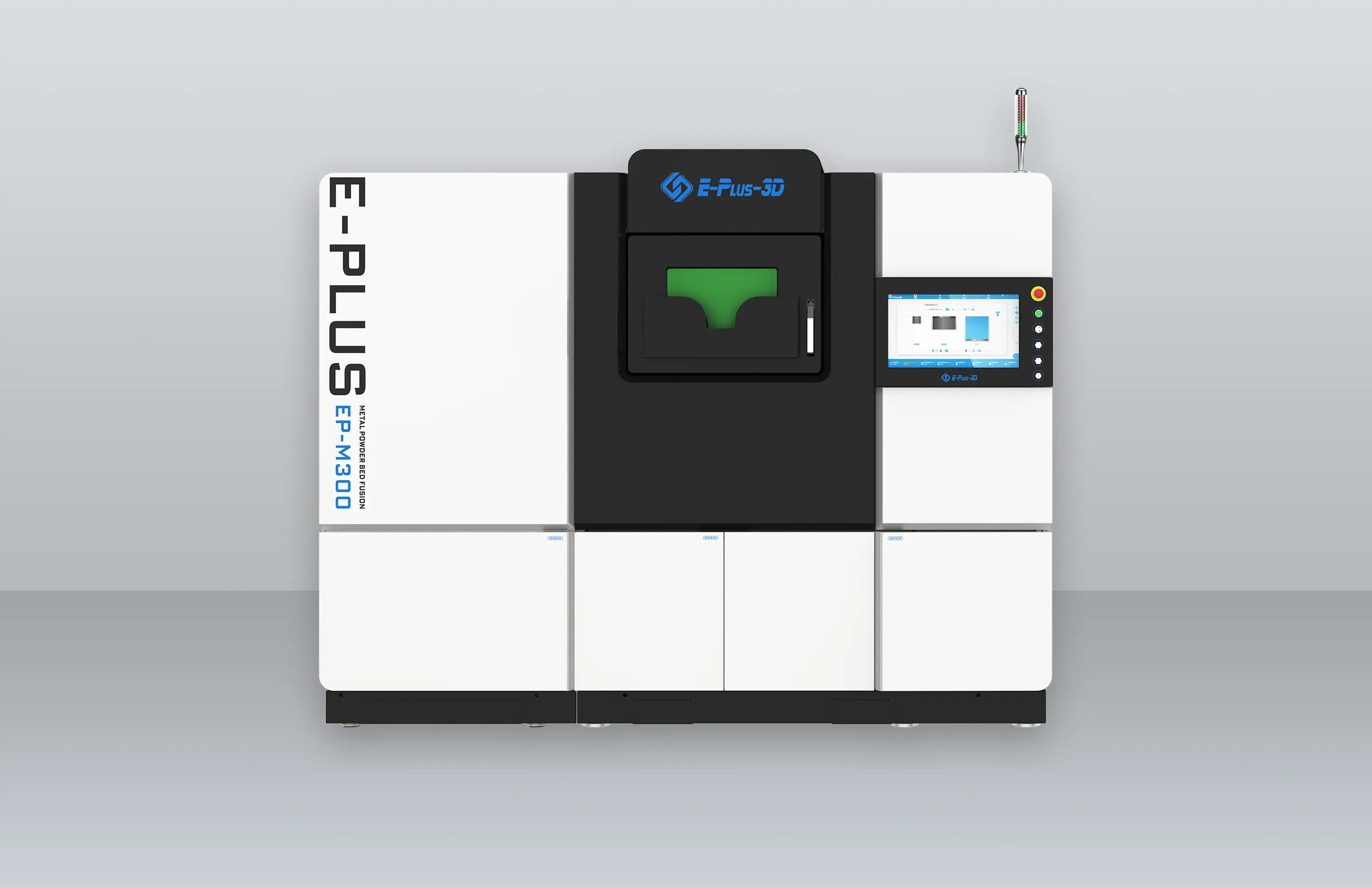
As demand for tire sipes components increased, Hankook Precision Works initiated the evaluation of metal additive manufacturing as part of its production workflow. During this process, the EP-M300 system was assessed based on part quality, data security, production readiness, and overall cost performance.
The first EP-M300 system was deployed at Hankook’s China facility in September 2025. Test builds of tire sipes cuffs demonstrated that external quality and mechanical properties were comparable to those of other systems in the same category. In addition, the proprietary file conversion software provided a high level of data protection, while the system maintained a competitive cost level within its specification range.
.jpg "lQDPKHvESM1MVaXNC9DND8CwhjIY2WHv-coJol1LghqAAA_4032_3024(1).jpg")
Figure 2 - The first EP-M300 machine
Following installation, pilot testing was conducted, after which the system was applied to production. With support from Eplus3D, operators were able to adapt to the system within a short period, supported by its operating interface and stable working environment.
Production Validation in an Industrial Application
Following implementation, the EP-M300 systems have been applied to the production of tire sipes printing cuffs. To date, approximately 100,000 components have been produced, with stable quality and consistent production performance.
This level of output indicates that metal additive manufacturing can be applied beyond prototyping and into repeatable production for industrial components such as tire sipes, where consistency and reliability are required. The ability to maintain stable production across multiple systems also supports production continuity, which is important for integration into established manufacturing processes.
As production demand increased, a second EP-M300 system was deployed in February 2026. With multiple systems in operation across facilities, Eplus3D continues to support Hankook Precision Works in maintaining stable output while meeting increasing production requirements.
.jpg "IMAGE2(1).jpg")
Figure 3 - Components post-processing
Supporting Stable Production Through Application Development
Eplus3D supported the implementation through direct testing of customer-specific parts and the development of optimized process parameters. These parameters were applied in production, reducing the need for additional iteration after installation.
By shortening the adjustment phase typically required in additive manufacturing deployment, this approach supports a more efficient transition from evaluation to stable production conditions and helps reduce the technical barriers associated with industrial adoption.
Conclusion
Through system deployment and application-level support, Eplus3D has contributed to enabling the use of metal additive manufacturing for tire sipes component production under stable operating conditions.
With two systems in operation and continued production output, the project demonstrates a consistent pathway from evaluation to production deployment in an industrial environment.
(1)_20260408161800.webp)